Nevada DMV Vehicle Power of Attorney VP-136 Notarization
Lake Mead Mobile Notary provides mobile Vehicle Power of Attorney VP-136 notarization for Nevada vehicle owners who need to appoint a trusted agent to handle DMV title, registration and related paperwork on their behalf.
The Nevada DMV Vehicle Power of Attorney (Form VP-136) authorizes an attorney-in-fact to sign specific DMV documents for a described motor vehicle, including certificates of title and registration, while leaving odometer disclosure to other required forms.
For VP-136 to be valid, the principal must sign with an original wet-ink signature in front of a Nevada notary public or authorized DMV representative, and the notarial acknowledgment must be completed correctly with full commission details and seal.
Before scheduling, principals should decide which DMV tasks they are authorizing, complete the agent and vehicle information on VP-136 carefully, and confirm that their legal name and identification match existing DMV title records.
Usage Context
How Nevada DMV Uses VP-136 Vehicle Power of Attorney
VP-136 authorizes an agent to sign DMV vehicle documents for a specific motor vehicle.
VP-136 is the Nevada DMV vehicle power of attorney form that allows a principal to appoint an attorney-in-fact to sign certain DMV documents, such as certificates of title and registration, for a described motor vehicle.
The form is limited to DMV-related vehicle paperwork and does not replace other required forms for odometer disclosure or non-DMV legal matters.
When VP-136 is properly completed and notarized, the appointed agent can use it to handle specified vehicle tasks with DMV, subject to the Department’s current instructions and any additional documentation requirements.
Signer Roles
Principal and Agent Roles in VP-136
Understanding who signs and who appears before the notary helps prevent DMV rejections.
On VP-136, the principal is the vehicle owner or legal owner granting authority to an agent. The principal completes their information, designates the agent and identifies the vehicle covered by the power of attorney.
The agent, or attorney-in-fact, is the person authorized to sign DMV documents for the vehicle, such as title and registration paperwork, within the scope of authority described on VP-136.
The principal must sign VP-136 in front of a Nevada notary public or authorized DMV representative. The agent does not sign VP-136 and does not need to be present when the principal’s signature is notarized.
Form Details
What VP-136 Includes and Must Match
Accurate information helps VP-136 align with DMV records.
Principal information
The form records the principal’s full legal name, identification details and physical and mailing addresses, which should match existing vehicle title records.
Vehicle description
VP-136 requires the year, make, model and full vehicle identification number so the authority is linked to a specific motor vehicle.
Agent designation
The principal identifies the agent or attorney-in-fact with name and address information, so DMV can see who is authorized to act.
Scope of powers
The power of attorney language covers signing title, registration and related DMV documents for the described vehicle, within the limits of DMV authority.
Identification and verification details
The principal’s identification number and other required details help DMV confirm the principal’s identity and link the power of attorney to the correct records.
Notarial acknowledgment
VP-136 includes an acknowledgment section where the principal’s signature is notarized by a Nevada notary or DMV representative, with seal and commission information.
Appointment Preparation
What to Prepare Before Your VP-136 Appointment
Good preparation helps your signing session run smoothly.
Decide which DMV tasks the agent will handle
Identify whether the agent will be managing title transfers, registrations, duplicate titles, lien releases or other specific DMV transactions.
Complete VP-136 details ahead of time
Fill in the principal, agent and vehicle information on the form, leaving the signature and notary sections blank until the appointment.
Gather vehicle records
Have the current title, registration or other DMV paperwork available so you can verify the VIN and owner information.
Confirm principal identification
Ensure the principal has valid, unexpired government-issued photo ID that matches the name on the title and VP-136.
Review DMV instructions and facility policies
Check the latest DMV guidance and any tow yard or facility requirements that may refer to VP-136 or related authorization documents.
Address legal or advisory questions in advance
Discuss any questions about powers or responsibilities with appropriate advisers before the notary appointment, since the notary cannot provide legal advice.
On-Site Process
Vehicle Power of Attorney VP-136 Notarization Process
A clear sequence supports accurate, DMV-ready documents.
1
Complete VP-136 form details
The principal fills in personal, agent and vehicle information on VP-136, leaving signature and notary sections blank for the appointment.
2
Schedule a mobile notary meeting
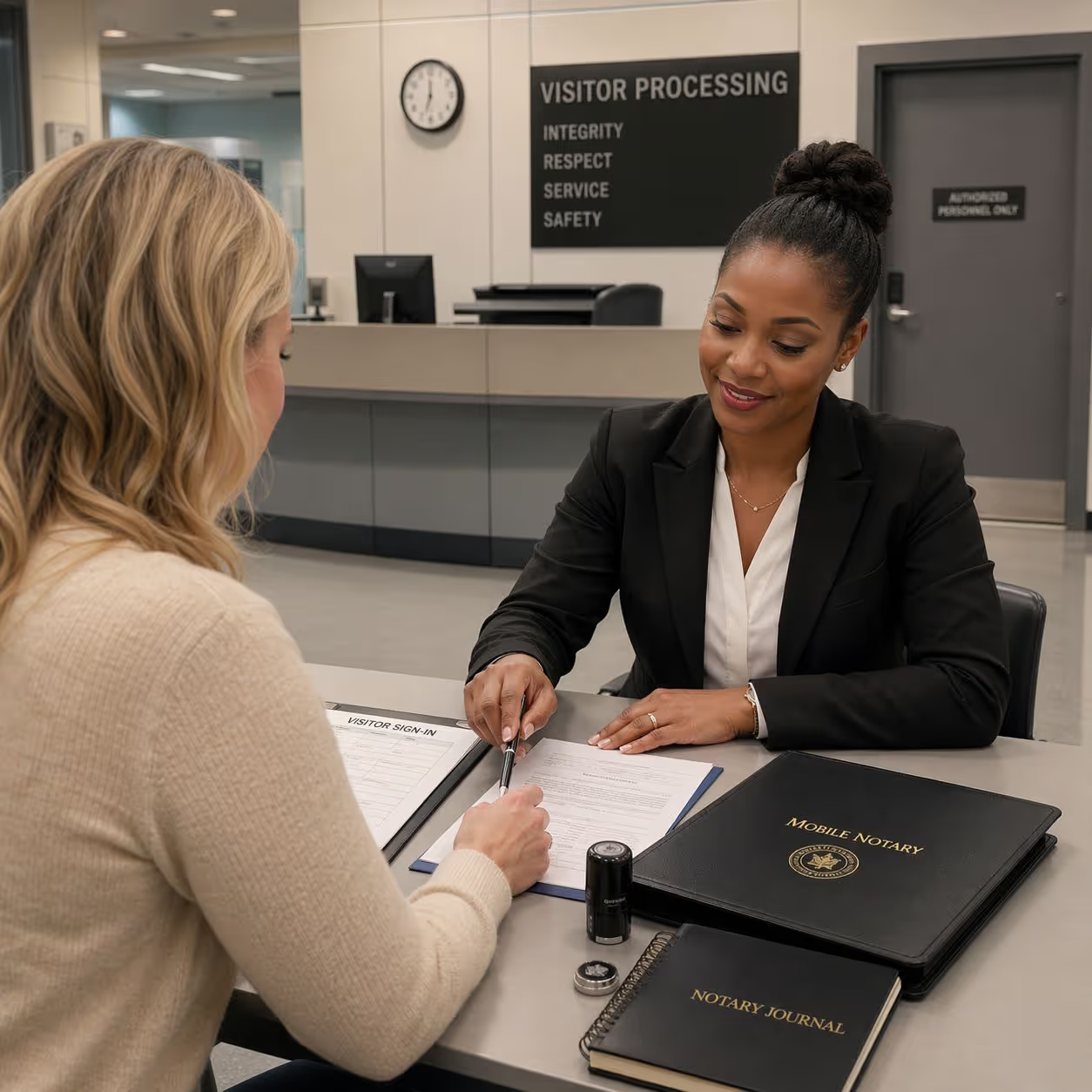
An appointment is arranged at a location where the principal can appear in person, such as home, office or near a DMV office.
3
Verify principal identity
At the appointment, the notary reviews the principal’s government-issued photo ID and confirms that the principal understands the document’s purpose.
4
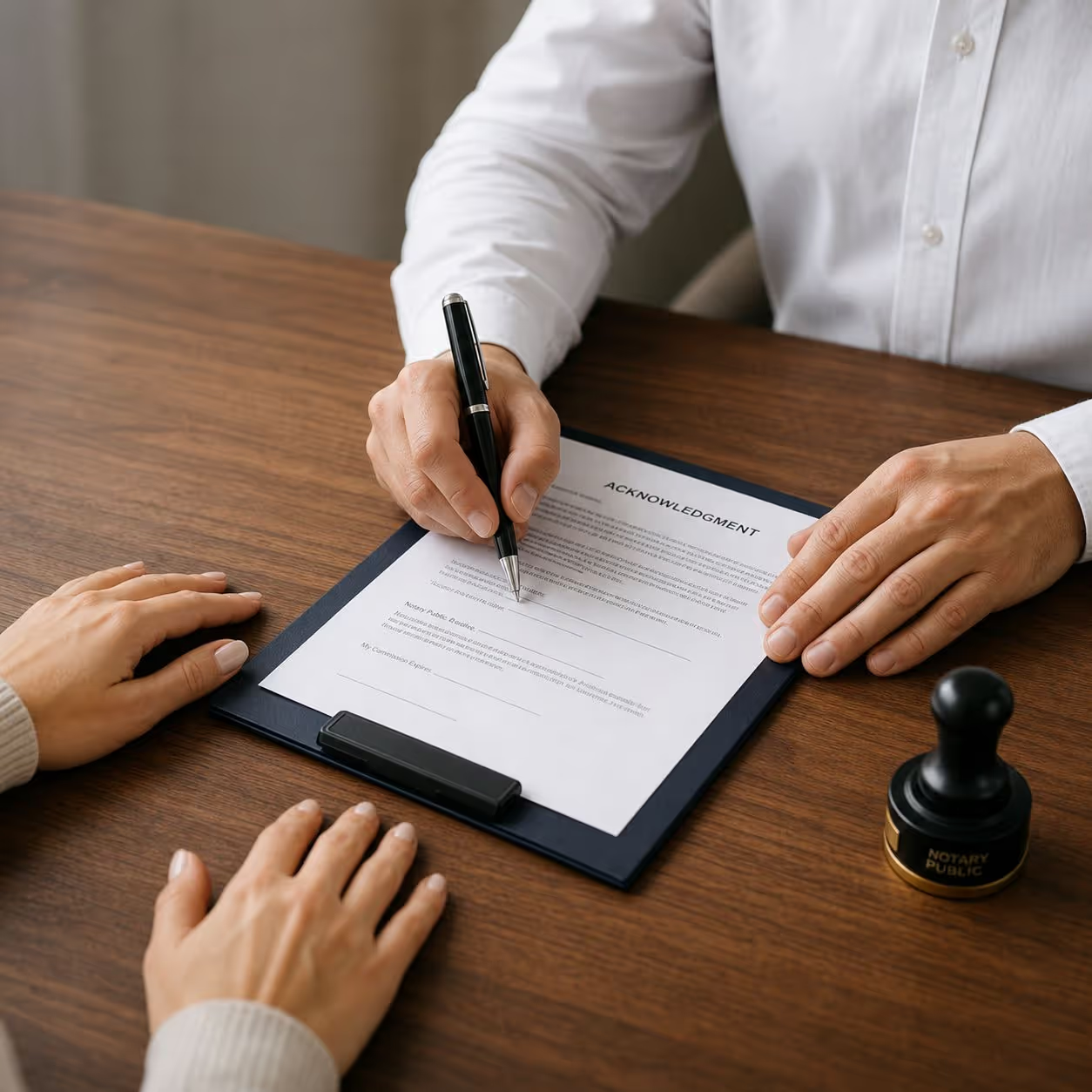
Principal signs VP-136 in the notary’s presence
The principal signs VP-136 with an original ink signature while the notary observes, ensuring that the form is not pre-signed or photocopied.
5
Complete the notarial acknowledgment
The notary fills out the acknowledgment section, records county and date information, and applies their official Nevada notary seal.
6
Use VP-136 for DMV vehicle tasks
The principal and agent then follow DMV instructions to submit VP-136 with any required supporting documents for title, registration or related vehicle transactions.
Practical Considerations
DMV, Tow Yard and Facility Considerations
VP-136 is one part of broader DMV and facility processes.
DMV staff rely on VP-136 to confirm that an agent has authority to sign certain vehicle documents, but they also review other records and may require additional forms or identification.
Tow yards, impound lots and other facilities may refer to VP-136 or other authorization documents when releasing vehicles to someone other than the registered owner.
Because each agency or facility follows its own procedures, principals and agents should confirm current requirements directly with DMV offices or facilities before relying on VP-136 for a specific transaction.
Service Questions
VP-136 Notarization Questions
These questions focus on how notarization fits into VP-136 vehicle powers of attorney.
Does VP-136 let my agent do anything they want with my vehicle?
No. VP-136 is intended for DMV vehicle paperwork and must be used within its described scope and applicable laws. The principal should define the intended tasks clearly.
Does the agent need to be present when VP-136 is notarized?
No. Only the principal appears before the notary to sign VP-136. The agent uses the completed form later for DMV transactions.
Can the notary tell me what powers I should grant on VP-136?
No. Choosing an agent and deciding what authority to grant are personal and legal decisions that the principal must make, often with advice from appropriate professionals.
Is a photocopy or electronic signature acceptable for VP-136?
No. VP-136 requires original signatures, and photocopies or altered forms may be rejected under DMV guidance.
Will DMV accept VP-136 once it is notarized?
DMV reviews each submission under its own rules. Notarization is an important requirement, but acceptance decisions belong to the Department.
How does this service relate to impound and tow yard vehicle releases?
Some facilities may accept VP-136 as part of their release documentation, but each facility sets its own rules. Dedicated impound and tow yard services cover those procedures in more detail.
Need professional photos for your property listing?
.avif)

.avif)